Posted on Leave a comment

The Benefits of Potentiating Kratom with Ginger: A Natural Boost

Kratom, derived from the Mitragyna speciosa tree native to Southeast Asia, has garnered significant attention for its ability to support energy, focus, pain relief, and even mood elevation. While Kratom itself offers numerous benefits, many users are finding that its effects can be enhanced when paired with other natural substances. One such powerful pairing is Kratom and ginger. But why does this combination work? In this blog post, we’ll explore the science behind potentiating Kratom with ginger and why it’s becoming a popular choice for enhancing the overall Kratom experience.

Understanding Kratom and Ginger

Before diving into the synergistic effects of Kratom and ginger, let’s first take a look at the properties of each:

Kratom contains alkaloids like mitragynine and 7-hydroxymitragynine, which interact with opioid receptors in the brain and body to produce stimulating, pain-relieving, and mood-lifting effects. However, the way Kratom works can vary depending on the strain and dosage, and some people may experience less intense effects due to their body’s natural tolerance or the way the alkaloids are metabolized.

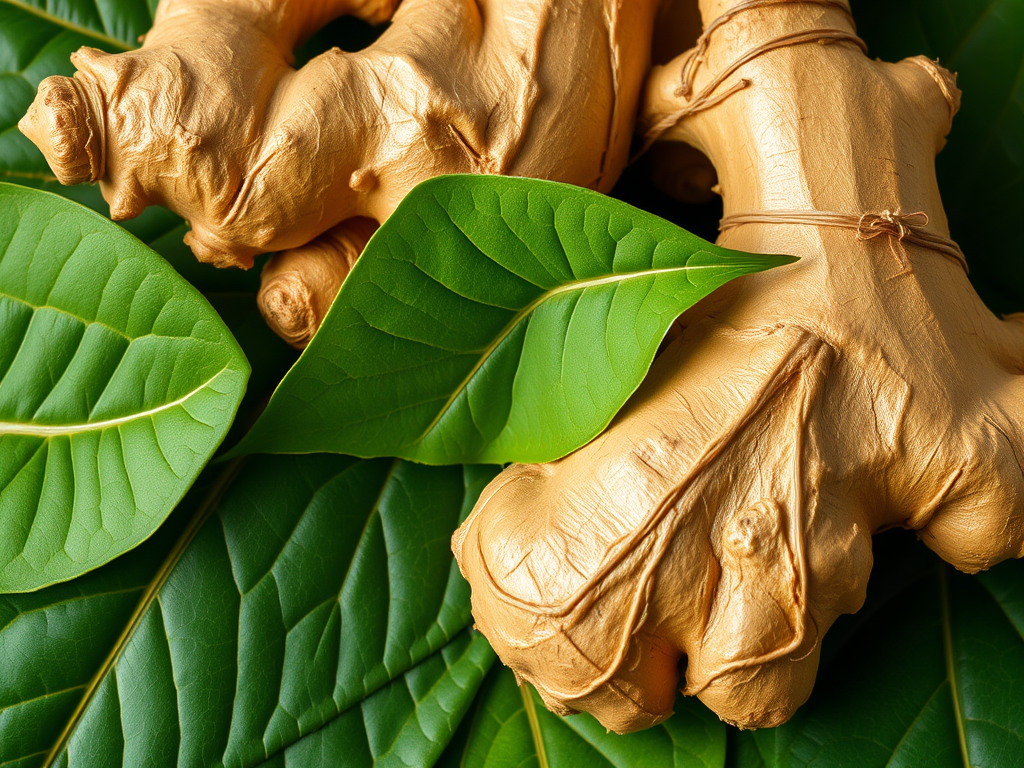
Ginger (Zingiber officinale) has been used for centuries in traditional medicine due to its anti-inflammatory, antioxidant, and digestive benefits. One of ginger’s active compounds, gingerol, is believed to have powerful effects on the digestive system, blood circulation, and even pain relief. In addition to its many health benefits, ginger is often used to help boost the bioavailability of certain compounds, making it an ideal candidate for enhancing the potency of Kratom.

Why Does Combining Kratom with Ginger Work?

The reason ginger works as a potentiator for Kratom can be attributed to a few key factors:

1. Increased Bioavailability

Ginger has been shown to help increase the bioavailability of certain substances, meaning it can enhance the absorption of Kratom’s active alkaloids. The body may not always absorb all of the alkaloids from Kratom efficiently. Ginger, however, has compounds that can improve digestion and nutrient absorption. By boosting Kratom’s bioavailability, ginger ensures that the body can take full advantage of the Kratom’s therapeutic effects, providing a more potent experience.

2. Enhanced Circulation

One of ginger’s well-known benefits is its ability to improve blood circulation. This increased circulation can help deliver Kratom’s active compounds more effectively throughout the body, ensuring that the full effects of Kratom reach the areas where they are most needed. Enhanced blood flow may help distribute the alkaloids to receptors in the brain and throughout the body, making the Kratom experience feel stronger and more immediate.

3. Anti-Inflammatory and Antioxidant Effects

Kratom can sometimes cause discomfort or nausea in some individuals, especially if taken in large doses. Ginger’s natural anti-inflammatory and antioxidant properties can help to mitigate these side effects. By calming the digestive system and reducing inflammation, ginger helps the body process Kratom more smoothly, resulting in a more comfortable and effective experience overall.

4. Ginger’s Natural Pain-Relief Properties

Ginger is widely regarded for its ability to reduce pain and discomfort, which complements the pain-relieving effects of Kratom. When combined, the two substances can work synergistically to enhance analgesia (pain relief), making it an ideal pairing for individuals seeking relief from chronic pain, muscle aches, or joint discomfort. Both Kratom and ginger have natural anti-inflammatory properties that can enhance each other’s effectiveness in managing pain.

5. Anti-Nausea Effects

Kratom can sometimes cause nausea, particularly for new users or when taken in high doses. Ginger is a well-known remedy for nausea and has been used for centuries to calm an upset stomach. When combined with Kratom, ginger can help mitigate the likelihood of nausea or digestive discomfort, making for a smoother, more enjoyable experience.

How to Use Ginger to Potentiate Kratom

If you’re considering using ginger to potentiate Kratom, there are a few ways you can incorporate it into your routine:

  • Fresh Ginger: You can add fresh ginger root to your Kratom tea or simply chew on a small piece of ginger before or after taking Kratom.
  • Ginger Powder: You can also find ginger powder, which can be easily mixed into Kratom powder or capsules.
  • Ginger Tea: Another popular method is to brew ginger tea and mix it with Kratom powder. This not only enhances the effects but also helps to reduce any nausea or discomfort.
  • Ginger Supplements: For convenience, ginger supplements or ginger extracts can also be taken alongside Kratom. Be sure to check the dosage recommendations on the label.

Precautions and Considerations

While combining Kratom and ginger can offer significant benefits, it’s essential to be mindful of the following:

  1. Dosage: Both Kratom and ginger can affect people differently. Start with a low dose to see how your body responds, especially if you’re new to either substance.
  2. Consultation with a Healthcare Provider: If you have underlying health conditions, particularly related to blood pressure, digestion, or medications you’re already taking, it’s important to speak with a healthcare professional before combining Kratom with ginger.
  3. Individual Sensitivities: While ginger can help mitigate Kratom’s side effects, some people may be sensitive to ginger or Kratom, leading to potential digestive discomfort or other reactions.

Conclusion

The combination of Kratom and ginger creates a powerful synergy that can enhance the effectiveness of Kratom while mitigating some of its side effects. By boosting Kratom’s bioavailability, improving circulation, and offering natural pain relief and anti-nausea properties, ginger is a fantastic natural potentiator for Kratom users. If you’re looking to amplify the effects of Kratom and enjoy a smoother, more potent experience, adding ginger into the mix may be exactly what you need.

Remember, everyone’s body reacts differently, so it’s always best to start with small amounts and gradually find the optimal balance for your needs.
Posted on Leave a comment

The Powerful Synergy: How Turmeric Potentiates Kratom’s Effects and Why It Works

Looking for a natural way to enhance the effect of kratom without the negative effects of artificial concentrates. There is a synergistic relationship between the active ingredients in Kratom and Turmeric and when combined it can enhance the effects of both.

What is Turmeric?

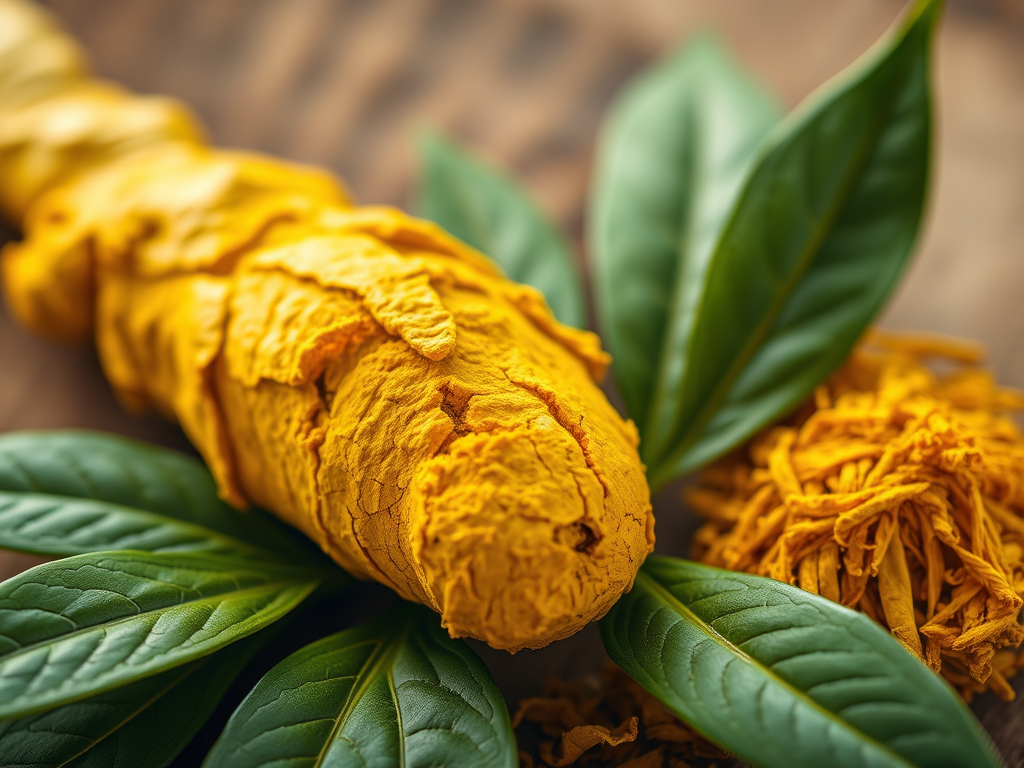
Turmeric, a vibrant yellow spice derived from the root of the Curcuma longa plant, has long been prized for its anti-inflammatory, antioxidant, and healing properties. The active compound in turmeric is curcumin, which is believed to be responsible for many of its health benefits. Curcumin has been shown to reduce inflammation, improve joint health, support brain function, and even offer mood-boosting effects.

However, curcumin’s bioavailability (the amount of the compound that can be absorbed and utilized by the body) is quite low when consumed alone. This is where the magic happens when turmeric is combined with certain substances, notably kratom.

How Does Turmeric Potentiate Kratom’s Effects?

The interaction between turmeric and kratom is primarily driven by two key factors: curcumin’s ability to enhance the bioavailability of other compounds and the complementary effects of turmeric and kratom on the body’s systems.

1. Enhancing Bioavailability

One of the main ways turmeric potentiates kratom is by increasing the bioavailability of kratom’s active compounds, particularly mitragynine. As mentioned earlier, curcumin (the active ingredient in turmeric) has low bioavailability on its own, but when combined with other compounds like piperine (found in black pepper), it becomes more easily absorbed by the body.

Interestingly, kratom contains compounds that can interact with curcumin to further boost the absorption of both substances. This means that when turmeric is taken with kratom, it can help the body make better use of kratom’s active ingredients, leading to enhanced effects.

2. Synergistic Effects on Pain Relief and Inflammation

Both kratom and turmeric are known for their ability to alleviate pain, albeit through different mechanisms. Kratom’s alkaloids bind to opioid receptors in the brain, providing analgesic effects similar to opioids, but with a lower risk of addiction or harmful side effects. On the other hand, turmeric’s curcumin works as a potent anti-inflammatory agent, reducing swelling and pain in the joints and muscles.

When combined, the anti-inflammatory effects of turmeric can complement kratom’s analgesic properties. This means that individuals suffering from chronic pain may experience a more well-rounded relief as both the pain receptor pathways (via kratom) and the inflammation-related pathways (via turmeric) are addressed simultaneously.

3. Mood-Boosting and Cognitive Enhancement

Both kratom and turmeric have mood-enhancing properties. Kratom helps elevate mood by affecting the serotonin and dopamine systems in the brain, leading to feelings of well-being and relaxation. Turmeric, on the other hand, has been shown to elevate levels of brain-derived neurotrophic factor (BDNF) and serotonin, which play important roles in mood regulation and cognitive function.

Combining the two may enhance both mood and cognitive benefits. This is especially helpful for those dealing with conditions like anxiety or depression, where both inflammation and neurotransmitter imbalances are often at play.

4. Antioxidant and Neuroprotective Effects

Curcumin in turmeric is also a strong antioxidant, protecting the body from free radicals and oxidative stress. Kratom, while not known for its antioxidant properties, has some compounds that may contribute to brain health and neuroprotection.

By using turmeric alongside kratom, users may enjoy additional neuroprotective benefits. The antioxidant effects of turmeric could potentially mitigate any oxidative stress caused by kratom’s active compounds, helping protect the brain and other tissues from damage.

Why Does This Combination Work?

The combination of turmeric and kratom works so well because both herbs have complementary effects on the body’s systems. Kratom primarily affects the body’s opioid receptors and neurotransmitter systems, offering pain relief, mood enhancement, and increased energy. Turmeric, on the other hand, addresses inflammation, oxidative stress, and cognitive function. Together, they provide a multi-faceted approach to health, particularly for individuals dealing with pain, inflammation, or mood imbalances.

Moreover, the bioavailability-enhancing effect of curcumin is crucial. By making it easier for the body to absorb and utilize kratom’s active compounds, turmeric can enhance kratom’s effectiveness at lower doses, making the combination both efficient and cost-effective.

How to Use Turmeric and Kratom Together

If you’re considering using turmeric with kratom, here are some tips for maximizing their synergistic effects:

  1. Start Slow: Begin with a small dose of both turmeric and kratom to assess how they interact with your body. Both substances have potent effects, and combining them can amplify their potency.
  2. Black Pepper or BioPerine: For turmeric to be fully effective, consider adding black pepper or a supplement like BioPerine (which contains piperine) to increase curcumin’s bioavailability.
  3. Consider the Timing: Many people find it beneficial to take kratom first and then follow up with turmeric, or take both at the same time. It largely depends on your personal preference and the effects you’re seeking.
  4. Supplement Form: While you can combine raw turmeric with kratom, turmeric supplements (with added black pepper) may offer a more consistent dose of curcumin for enhanced absorption.

Final Thoughts

The combination of turmeric and kratom presents a powerful opportunity for those seeking to enhance their wellness journey. By potentiating kratom’s effects through improved bioavailability, addressing pain and inflammation from different angles, and offering cognitive and mood benefits, turmeric can significantly amplify kratom’s potential.

As with any herbal remedy, it’s important to listen to your body and adjust the dosage based on your needs. Always consult with a healthcare professional before introducing new supplements or combinations, especially if you have existing medical conditions or are on medication.

In conclusion, turmeric’s ability to enhance kratom’s effects isn’t just an interesting phenomenon; it’s a natural, science-backed synergy that offers a wide range of health benefits, from pain relief to mood enhancement. Whether you’re new to herbal remedies or an experienced user, this powerful duo is definitely worth exploring!

Posted on Leave a comment

How to Make Traditional Kratom Tea: A Step-by-Step Guide

How to Make Traditional Kratom Tea: A Step-by-Step Guide

At Justleaf we believe if it isn’t broke don’t fix it. Kratom traditional was consumed as a tea in for centuries in the countries is originates from in South East Asia. There are many mediums out there to use Kratom now but there is value in maintaining tradition without the extra nonsense that corrupts a lot of the products currently on the market. Making traditional kratom tea is simple, and allows you to experience the full range of kratom’s benefits in a soothing, easy-to-consume form. Whether you are new to kratom or have enjoyed it in other forms, brewing kratom tea provides a great way to unlock its potential. Here’s how to make kratom tea at home:

Ingredients and Tools

To make a traditional kratom tea, you will need:

  • Kratom Powder: Depending on the strain you prefer (e.g., Red, Green, or White), the amount of kratom powder you use can vary. Most people use around 1 to 5 grams.
  • Water: About 2 to 3 cups of water for a mild to moderate brew.
  • Lemon (optional): This is commonly added to help extract alkaloids from the kratom and also to reduce the bitterness of the brew.
  • Honey or Sweetener (optional): This can balance the flavor if desired.
  • Strainer or Cheesecloth: For straining the kratom powder from the liquid.
  • A Pot or Teapot: To boil the water.

Step-by-Step Instructions

Step 1: Boil the Water

Start by boiling around 2 to 3 cups of water in a pot or kettle. The amount of water will depend on how strong you want your kratom tea. For a more concentrated tea, use less water; for a milder brew, use more.

Step 2: Add the Kratom Powder

Once the water is boiling, reduce the heat to a simmer. Add your kratom powder into the simmering water. You can start with 1 to 2 grams of kratom if you’re new to it. If you are more experienced, you may want to increase the amount based on your desired effect.

Step 3: Simmer the Mixture

Let the kratom powder simmer in the water for about 15 to 20 minutes. Stir occasionally to ensure that the powder is well-mixed with the water. As it simmers, the water will begin to turn a dark green color.

Step 4: Add Lemon (Optional)

Some people like to add a squeeze of fresh lemon juice at this point. The acidity from the lemon may help extract more of the alkaloids from the kratom, enhancing the potency of the tea. It also helps mask some of the bitter flavors.

Step 5: Strain the Tea

After 15-20 minutes, you can strain the tea using a fine mesh strainer or cheesecloth to remove the kratom powder. Be sure to press the mixture gently to extract as much liquid as possible, as this is where the alkaloids are.

Step 6: Sweeten and Flavor (Optional)

Kratom tea can be quite bitter, so many people add a sweetener like honey, agave, or stevia. You can also experiment with different flavors, such as ginger or cinnamon, to make the tea more enjoyable.

Step 7: Enjoy Your Kratom Tea

Once you’ve strained and sweetened the tea to your liking, it’s ready to drink! Sip slowly, and allow the effects to take hold. Kratom tea is often more gentle on the stomach compared to other methods of consumption, and the effects tend to be more gradual.

Tips for Brewing Kratom Tea

  1. Use High-Quality Kratom: The quality of the kratom powder plays a significant role in the flavor and effects. Always buy kratom from reputable sources that test their products for purity.
  2. Experiment with Dosage: Kratom affects everyone differently. Start with a small dose (1–2 grams) if you’re a beginner, and gradually increase it to find the right amount for your needs.
  3. Flavor Adjustments: To make the tea more palatable, try adding mint leaves, ginger, or even a pinch of cinnamon. You can also create your own kratom tea blend by combining it with other herbs like chamomile or lemon balm.
  4. Time It Right: Kratom tea typically takes 30 minutes to an hour to start showing effects, so plan accordingly if you’re looking for specific results like pain relief, energy, or relaxation.
  5. Stay Hydrated: While kratom tea can be beneficial, always drink plenty of water alongside it to stay hydrated and support your body’s natural detox processes.

Final Thoughts

Kratom tea offers an enjoyable and traditional way to experience the benefits of kratom in a mild and soothing manner. By following the steps above and adjusting the recipe to suit your preferences, you can create a flavorful tea that aligns with your needs. Whether you’re new to kratom or an experienced user, tea is a great method to unlock the full potential of this versatile herb.

Posted on Leave a comment

Why You Should Avoid Semi-Synthetic 7-Hydroxymitragynine Products

At JustLeaf Kratom, we are passionate about providing safe, natural, and responsibly sourced kratom. That’s why we only offer 100% whole leaf kratom—the way nature intended. Unfortunately, a troubling trend is emerging in the kratom industry: the production and sale of semi-synthetic 7-hydroxymitragynine products. These are not the same as whole leaf kratom, and their use poses significant risks to both individual safety and the future of the kratom movement.

What Are Semi-Synthetic 7-Hydroxymitragynine Products?

Semi-synthetic 7-hydroxymitragynine products are chemically altered derivatives of compounds found in natural kratom leaves. Unlike plain leaf kratom, which has been used safely for centuries, these synthetic products are created in labs, often with little to no oversight or testing. They are marketed as stronger or more potent alternatives to whole leaf kratom, but this comes at a dangerous cost.

The Risks of Semi-Synthetic Products

  1. Safety Concerns: Semi-synthetic 7-hydroxymitragynine products are untested and poorly understood. Unlike whole leaf kratom, which contains a balance of alkaloids that work synergistically, these products isolate or enhance specific compounds, increasing the risk of adverse effects.
  2. Overdose Potential: The increased potency of semi-synthetic products can lead to accidental overdose. Whole leaf kratom has a built-in safety mechanism due to its natural composition, but synthetics bypass these safeguards, making them far more dangerous.
  3. Threat to the Kratom Movement: When harm is caused by these synthetic products, it reflects poorly on the entire kratom community. This could lead to increased scrutiny and efforts to ban all kratom products, including safe, natural, whole leaf kratom.

Why Whole Leaf Kratom is the Safer Choice

Whole leaf kratom has been used for generations as a natural, safe way to support well-being. Its balanced composition of alkaloids ensures a gentle and effective experience. At JustLeaf Kratom, we are committed to providing only plain leaf kratom, sourced responsibly and tested for quality and purity. By sticking to traditional, unaltered kratom, we can ensure the safety of our customers and protect the future of kratom.

Protecting the Future of Kratom

As a community, we have a responsibility to use kratom responsibly and advocate for its safe and legal use. Semi-synthetic products undermine this effort by introducing unnecessary risks. When these products are abused and harm occurs, it jeopardizes the availability of ALL kratom products—not just the synthetics.

Choose JustLeaf Kratom

By choosing JustLeaf Kratom, you are supporting a company that prioritizes safety, quality, and the integrity of the kratom movement. We believe in the power of natural, whole leaf kratom and are committed to ensuring its continued availability for those who rely on it.

Say no to semi-synthetic 7-hydroxymitragynine products. Choose plain leaf kratom for a safe, natural, and effective experience. Together, we can protect the future of kratom.

Posted on

Kratom for Pain Relief: A Natural Alternative That Works

Posted on

What is Kratom? What are its uses? Beginner Guide to Kratom.

3. Safety Considerations