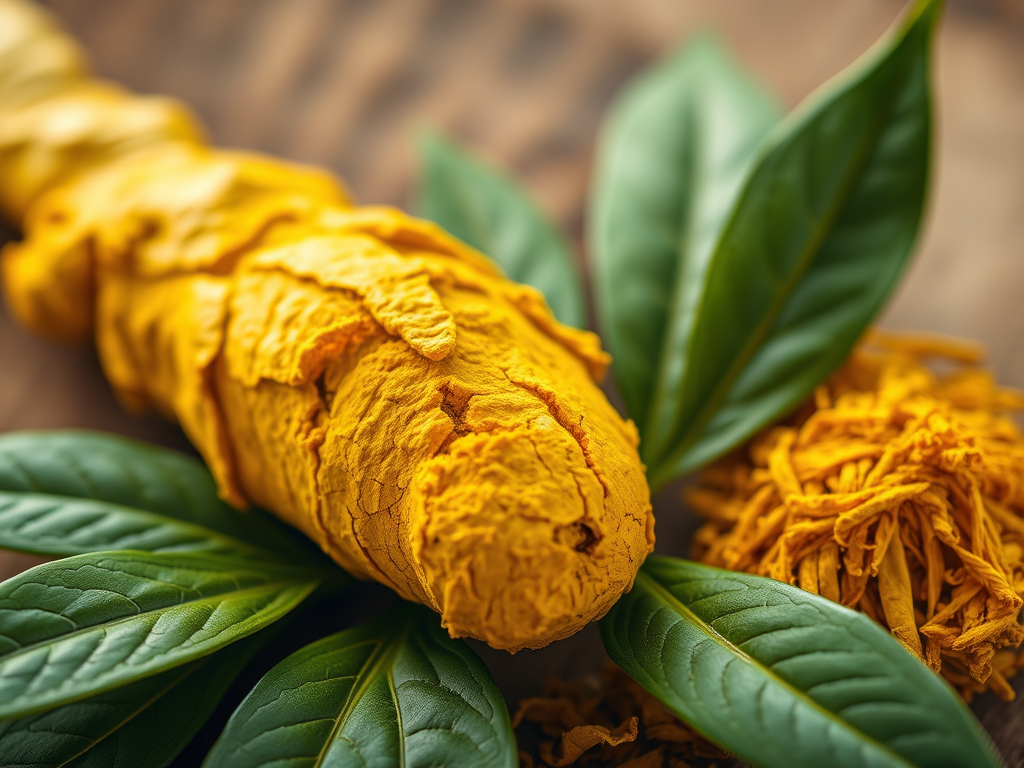
Looking for a natural way to enhance the effect of kratom without the negative effects of artificial concentrates. There is a synergistic relationship between the active ingredients in Kratom and Turmeric and when combined it can enhance the effects of both.
What is Turmeric?
Turmeric, a vibrant yellow spice derived from the root of the Curcuma longa plant, has long been prized for its anti-inflammatory, antioxidant, and healing properties. The active compound in turmeric is curcumin, which is believed to be responsible for many of its health benefits. Curcumin has been shown to reduce inflammation, improve joint health, support brain function, and even offer mood-boosting effects.
However, curcumin’s bioavailability (the amount of the compound that can be absorbed and utilized by the body) is quite low when consumed alone. This is where the magic happens when turmeric is combined with certain substances, notably kratom.
How Does Turmeric Potentiate Kratom’s Effects?
The interaction between turmeric and kratom is primarily driven by two key factors: curcumin’s ability to enhance the bioavailability of other compounds and the complementary effects of turmeric and kratom on the body’s systems.
1. Enhancing Bioavailability
One of the main ways turmeric potentiates kratom is by increasing the bioavailability of kratom’s active compounds, particularly mitragynine. As mentioned earlier, curcumin (the active ingredient in turmeric) has low bioavailability on its own, but when combined with other compounds like piperine (found in black pepper), it becomes more easily absorbed by the body.
Interestingly, kratom contains compounds that can interact with curcumin to further boost the absorption of both substances. This means that when turmeric is taken with kratom, it can help the body make better use of kratom’s active ingredients, leading to enhanced effects.
2. Synergistic Effects on Pain Relief and Inflammation
Both kratom and turmeric are known for their ability to alleviate pain, albeit through different mechanisms. Kratom’s alkaloids bind to opioid receptors in the brain, providing analgesic effects similar to opioids, but with a lower risk of addiction or harmful side effects. On the other hand, turmeric’s curcumin works as a potent anti-inflammatory agent, reducing swelling and pain in the joints and muscles.
When combined, the anti-inflammatory effects of turmeric can complement kratom’s analgesic properties. This means that individuals suffering from chronic pain may experience a more well-rounded relief as both the pain receptor pathways (via kratom) and the inflammation-related pathways (via turmeric) are addressed simultaneously.
3. Mood-Boosting and Cognitive Enhancement
Both kratom and turmeric have mood-enhancing properties. Kratom helps elevate mood by affecting the serotonin and dopamine systems in the brain, leading to feelings of well-being and relaxation. Turmeric, on the other hand, has been shown to elevate levels of brain-derived neurotrophic factor (BDNF) and serotonin, which play important roles in mood regulation and cognitive function.
Combining the two may enhance both mood and cognitive benefits. This is especially helpful for those dealing with conditions like anxiety or depression, where both inflammation and neurotransmitter imbalances are often at play.
4. Antioxidant and Neuroprotective Effects
Curcumin in turmeric is also a strong antioxidant, protecting the body from free radicals and oxidative stress. Kratom, while not known for its antioxidant properties, has some compounds that may contribute to brain health and neuroprotection.
By using turmeric alongside kratom, users may enjoy additional neuroprotective benefits. The antioxidant effects of turmeric could potentially mitigate any oxidative stress caused by kratom’s active compounds, helping protect the brain and other tissues from damage.
Why Does This Combination Work?
The combination of turmeric and kratom works so well because both herbs have complementary effects on the body’s systems. Kratom primarily affects the body’s opioid receptors and neurotransmitter systems, offering pain relief, mood enhancement, and increased energy. Turmeric, on the other hand, addresses inflammation, oxidative stress, and cognitive function. Together, they provide a multi-faceted approach to health, particularly for individuals dealing with pain, inflammation, or mood imbalances.
Moreover, the bioavailability-enhancing effect of curcumin is crucial. By making it easier for the body to absorb and utilize kratom’s active compounds, turmeric can enhance kratom’s effectiveness at lower doses, making the combination both efficient and cost-effective.
How to Use Turmeric and Kratom Together
If you’re considering using turmeric with kratom, here are some tips for maximizing their synergistic effects:
- Start Slow: Begin with a small dose of both turmeric and kratom to assess how they interact with your body. Both substances have potent effects, and combining them can amplify their potency.
- Black Pepper or BioPerine: For turmeric to be fully effective, consider adding black pepper or a supplement like BioPerine (which contains piperine) to increase curcumin’s bioavailability.
- Consider the Timing: Many people find it beneficial to take kratom first and then follow up with turmeric, or take both at the same time. It largely depends on your personal preference and the effects you’re seeking.
- Supplement Form: While you can combine raw turmeric with kratom, turmeric supplements (with added black pepper) may offer a more consistent dose of curcumin for enhanced absorption.
Final Thoughts
The combination of turmeric and kratom presents a powerful opportunity for those seeking to enhance their wellness journey. By potentiating kratom’s effects through improved bioavailability, addressing pain and inflammation from different angles, and offering cognitive and mood benefits, turmeric can significantly amplify kratom’s potential.
As with any herbal remedy, it’s important to listen to your body and adjust the dosage based on your needs. Always consult with a healthcare professional before introducing new supplements or combinations, especially if you have existing medical conditions or are on medication.
In conclusion, turmeric’s ability to enhance kratom’s effects isn’t just an interesting phenomenon; it’s a natural, science-backed synergy that offers a wide range of health benefits, from pain relief to mood enhancement. Whether you’re new to herbal remedies or an experienced user, this powerful duo is definitely worth exploring!